Restless Leg Syndrome: What It Is, and How To Manage It
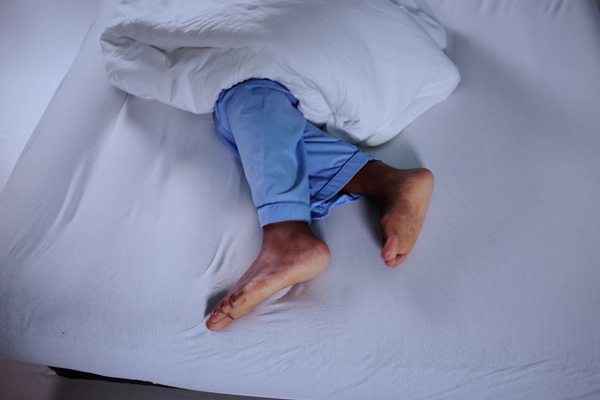
Restless leg syndrome can make evenings difficult by creating an urgent need to move the legs when the body tries to rest. Considering symptoms like crawling or pulling often intensify at night, sleep quality can drop, and daytime energy can follow. With the right support, many people can manage their symptoms and get a good night's sleep.
Understanding restless leg syndrome
Restless leg syndrome is characterized by moving the legs involuntarily due to uncomfortable sensations, like crawling, pulling, or tingling. These sensations typically worsen when sitting or lying down, such as at bedtime, on the couch, or during long car rides. Walking, stretching, or gentle leg movement often eases discomfort, but the discomfort can return when rest resumes. Symptoms also tend to follow an evening or nighttime pattern, which helps separate restless leg syndrome from common muscle soreness or ordinary fatigue.
Sometimes restless leg syndrome appears without a clear cause, but psychiatrists will want to rule out medical causes, such as low iron, with lab testing. Caffeine and alcohol later in the day, nicotine use, and irregular sleep timing can also make symptoms more noticeable. Some medications can worsen symptoms for certain people, including sedating antihistamines, dopamine-blocking anti-nausea medicines, some antidepressants, and some antipsychotic medicines. The psychiatrist can review medications and consider alternatives when symptoms noticeably worsen after a new prescription or a dose change.
How psychiatrists can help with restless leg syndrome
Restless leg syndrome often overlaps with insomnia, anxiety, and depression because sleep disruption affects mood, focus, and stress tolerance. A psychiatrist can help by treating the whole picture, not only the leg sensations, and by reducing the bedtime worry loop that makes symptoms feel louder. When sleep improves and stress hormones settle, many people find nights more manageable, even before any medication changes.
Of course, the psychiatrist may choose to introduce or review current medication to aid relief efforts. (As mentioned, several common medicines can aggravate symptoms for some patients.) The psychiatrist can weigh mental health needs against symptom triggers, then consider alternatives, dose timing changes, or add-on strategies that protect sleep and symptom control. This approach matters because treating anxiety or depression should not unintentionally worsen restless leg syndrome.
Managing symptoms at home between appointments
As with any treatment, care does not end in the office; patients will need to make a few changes at home to support their treatment plan. Daily routines often help reduce symptom intensity and make nights more predictable. A consistent sleep schedule, moderate daytime activity, and a short stretch routine before bed can help keep legs calmer.
More helpful tips include:
- Keep a simple wind-down routine and a cool, dark, quiet sleep space
- Take short movement breaks during long sitting, including desk work and travel
- Ask about iron testing if symptoms persist, and only use supplements under medical guidance
Remember that these tips are meant to aid professional treatment, not replace it. The acting psychiatrist should clear all methods patients use to help remedy restless leg syndrome.
Schedule a consultation
Restless leg syndrome can seriously impact quality of life. Are you or a loved one living with the condition? Contact Hope TMS and Neuropsychiatric Center to schedule a consultation and receive a treatment plan.
Request an appointment here: https://www.hopetmsofny.com or call Hope TMS and Neuropsychiatric Center at (646) 578-8152 for an appointment in our New York office.
Check out what others are saying about our services on Yelp: Restless Leg Syndrome in New York, NY.
Related Posts
Smoking cessation can feel overwhelming for people who vape or use cigarettes regularly, especially when nicotine cravings interfere with their daily routines. Although quitting takes time, understanding the withdrawal process can make the experience more manageable. Some people overcome physical withdrawal within weeks, while others need several months to break their vaping habits. Knowing what…
Depression does not always improve after the first treatment plan. Treatment Resistant Depression may become a concern when symptoms continue despite trying more than one antidepressant. Persistent low mood, loss of interest, fatigue, changes in sleep, or difficulty functioning may all persist. Recognizing this pattern can help patients and psychiatrists decide when a broader treatment…
Depression treatment often takes a different approach when helping individuals manage seasonal affective disorder (SAD), a form of depression that follows a predictable seasonal pattern. Symptoms often begin during the fall or winter when daylight hours become shorter and improve as the seasons change. Our psychiatrist can develop a personalized treatment plan that can help…
A lack of sleep is not only frustrating but also bad for your physical and mental health. Fortunately, Insomia can be treated and managed with the help of a psychiatrist. Learning more about insomnia and some tips on how to deal with it can put better sleep quality, memory, and well-being within reach.Insomnia includes persistent…