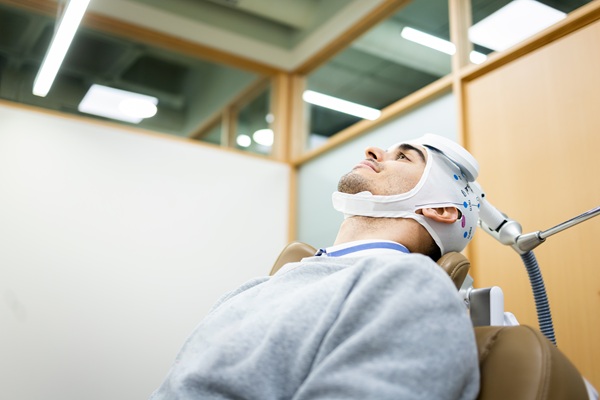
A TMS doctor focuses on safety, evidence, and practical results when discussing transcranial magnetic stimulation for depression and related conditions. This noninvasive therapy uses targeted magnetic pulses to activate specific brain networks. Strong safety protocols, careful screening, and consistent monitoring provide patients with a clear path to relief while allowing them to maintain their everyday routines.
How TMS works and why safety stays high
Clinicians position a treatment coil on the scalp and deliver brief magnetic pulses that modulate cortical activity. The FDA cleared TMS for major depressive disorder and later for obsessive-compulsive disorder and smoking cessation. Sessions last about 20 to 40 minutes, occur five days per week, and continue for several weeks. Teams track mood, sleep, and energy to adjust care promptly and effectively.
Common side effects and how the team manages them
Most people report mild scalp discomfort or headache during the first week. Clinicians reduce intensity, shift coil position, or provide over-the-counter analgesics when needed. Rarely, patients experience lightheadedness, jaw tightness, or facial twitching; these effects usually resolve within minutes. Providers watch for warning signs and respond immediately.
Who qualifies and who needs extra caution
A TMS doctor reviews diagnosis, treatment history, and goals, then confirms candidacy. The team checks for metal or electronic implants in or near the head, a seizure history, or unstable medical problems. Pregnant patients may proceed after obstetric consultation. People with bipolar disorder, active substance use, or severe anxiety can still benefit when clinicians coordinate care and set expectations.
What happens before the first session
A TMS doctor conducts motor-threshold mapping to find the correct dose and location. Staff verifies medications, sleep patterns, and caffeine intake that might influence cortical excitability. The TMS Doctor sets hearing protection, explains the clicking sound, and plans a schedule that fits work and family obligations.
Clinic protocols reinforce safety at every step
Teams confirm identity and recent health changes before each session, then review medications that lower seizure threshold, such as bupropion or tramadol. Staff checks coil placement, stimulation intensity, and inter-train intervals against the prescription. Emergency equipment stays ready, and clinicians maintain Basic Life Support certification. Clear documentation tracks parameters, adverse events, and outcomes, allowing the plan to evolve responsibly and transparently. Families receive clear after-visit safety instructions.
How results build over time
Response often appears after 10 to 15 sessions as motivation and concentration improve. Clinicians may extend treatment, add taper sessions, or consider maintenance courses to preserve gains. If progress stalls, the TMS doctor adjusts parameters, coordinates psychotherapy, or evaluates medication changes to improve outcomes.
Key safety takeaways:
- TMS avoids the need for anesthesia, systemic drug effects, and recovery downtime
- The seizure risk remains very low with modern protocols and screening
- Most side effects stay mild and short-lived, with options to manage them
The bottom line
TMS delivers a strong safety profile when trained teams follow evidence-based protocols. A TMS doctor provides individualized dosing, real-time monitoring, and coordination with therapy and medication plans. With the right candidate and careful oversight, clinical teams achieve durable symptom relief while protecting daily function. For more information or to schedule an appointment, call our office at (646) 578-8152.
To schedule a consultation, request an appointment on our website at https://www.hopetmsofny.com or call Hope TMS and Neuropsychiatric Center at (646) 578-8152 for an appointment in our New York office.
Check out what others are saying about our dental services on Yelp: TMS Doctor in New York, NY.
Related Posts
Depression does not always improve after the first treatment plan. Treatment Resistant Depression may become a concern when symptoms continue despite trying more than one antidepressant. Persistent low mood, loss of interest, fatigue, changes in sleep, or difficulty functioning may all persist. Recognizing this pattern can help patients and psychiatrists decide when a broader treatment…
Depression treatment often takes a different approach when helping individuals manage seasonal affective disorder (SAD), a form of depression that follows a predictable seasonal pattern. Symptoms often begin during the fall or winter when daylight hours become shorter and improve as the seasons change. Our psychiatrist can develop a personalized treatment plan that can help…
A lack of sleep is not only frustrating but also bad for your physical and mental health. Fortunately, Insomia can be treated and managed with the help of a psychiatrist. Learning more about insomnia and some tips on how to deal with it can put better sleep quality, memory, and well-being within reach.Insomnia includes persistent…
Transcranial magnetic stimulation (TMS) offers a noninvasive path to better mental health by using magnetic fields to stimulate vital nerve cells in the brain. A consultation with a TMS doctor provides a vital turning point for those who experience persistent depression that resists standard oral medications. This preliminary meeting serves as a comprehensive evaluation to determine…