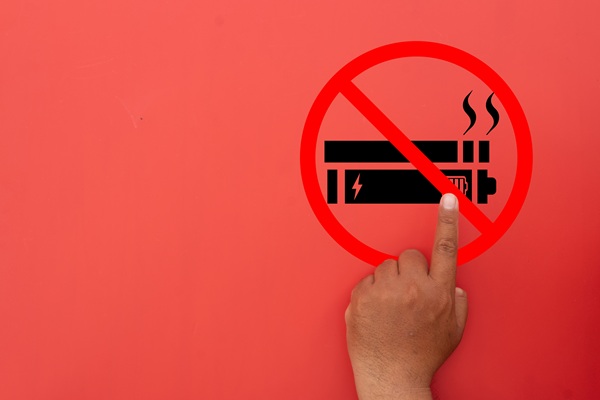
Smoking cessation can feel overwhelming for people who vape or use cigarettes regularly, especially when nicotine cravings interfere with their daily routines. Although quitting takes time, understanding the withdrawal process can make the experience more manageable. Some people overcome physical withdrawal within weeks, while others need several months to break their vaping habits. Knowing what to expect at each stage can help patients prepare for the challenges ahead.
Understanding the smoking cessation timeline
There is no universal timeline for quitting smoking, as nicotine dependence, vaping frequency, and individual habits all influence how long the process takes. However, most patients experience several common stages as their bodies adjust to life without nicotine.
The first 24 hours
Nicotine withdrawal can begin within hours of the last vaping session. During this period, patients may experience irritability, restlessness, headaches, and strong nicotine cravings. Those who vape frequently or use products with high nicotine concentrations may find these symptoms particularly uncomfortable. Therefore, establishing a smoking cessation plan before quitting can make the first day easier. To help, a psychiatrist may recommend removing vaping devices and avoiding familiar triggers to help patients resist the temptation to use again.
Days 2-7: Managing peak withdrawal
The first week often presents the greatest physical challenges. Withdrawal symptoms typically peak during the first few days, making cravings harder to ignore. Patients may also experience difficulty concentrating, mood changes, and disrupted sleep. Fortunately, these symptoms gradually become less intense, especially with regular water intake, regular exercise, and a consistent sleep schedule. Professional guidance from a psychiatrist can provide additional support when withdrawal symptoms interfere with everyday activities.
Weeks 2-4: Adjusting to life without vaping
Most patients notice considerable improvements in their physical withdrawal symptoms within several weeks. However, psychological cravings may persist, particularly when certain activities or situations remind them of vaping. For example, someone who regularly vapes while driving may continue experiencing cravings during their daily commute. Smoking cessation counseling can help patients recognize these associations and develop healthier responses.
Beyond the first month: Maintaining progress
Once the initial withdrawal period passes, patients can focus on maintaining their progress. Again, occasional cravings may continue for months, especially during stressful situations or social gatherings. Remember that long-term smoking cessation involves replacing old habits with healthier alternatives. Therefore, patients who experience setbacks can revisit their treatment plans and identify strategies that better address their triggers.
How professional smoking cessation treatment can help
Quitting vaping does not require patients to manage withdrawal without assistance. Healthcare providers, such as psychiatrists, can assess nicotine dependence and recommend personalized treatment strategies. Depending on individual circumstances, treatment may involve behavioral counseling or medications to reduce cravings. According to the CDC, there are seven FDA-approved medications to help with smoking cessation; healthcare providers can discuss whether these treatments may be appropriate. Regular follow-up appointments also help patients address setbacks and maintain their progress.
Schedule an evaluation
Quitting vaping requires patience, but professional support can make the transition more manageable. A personalized smoking cessation plan can help patients navigate withdrawal and build healthier habits that last. For more information or to schedule an evaluation, call our office.
Request an appointment here: https://www.hopetmsofny.com or call Hope TMS and Neuropsychiatric Center at (646) 578-8152 for an appointment in our New York office.
Check out what others are saying about our services on Yelp: Smoking Cessation in New York, NY.
Related Posts
Depression does not always improve after the first treatment plan. Treatment Resistant Depression may become a concern when symptoms continue despite trying more than one antidepressant. Persistent low mood, loss of interest, fatigue, changes in sleep, or difficulty functioning may all persist. Recognizing this pattern can help patients and psychiatrists decide when a broader treatment…
Depression treatment often takes a different approach when helping individuals manage seasonal affective disorder (SAD), a form of depression that follows a predictable seasonal pattern. Symptoms often begin during the fall or winter when daylight hours become shorter and improve as the seasons change. Our psychiatrist can develop a personalized treatment plan that can help…
A lack of sleep is not only frustrating but also bad for your physical and mental health. Fortunately, Insomia can be treated and managed with the help of a psychiatrist. Learning more about insomnia and some tips on how to deal with it can put better sleep quality, memory, and well-being within reach.Insomnia includes persistent…
Transcranial magnetic stimulation (TMS) offers a noninvasive path to better mental health by using magnetic fields to stimulate vital nerve cells in the brain. A consultation with a TMS doctor provides a vital turning point for those who experience persistent depression that resists standard oral medications. This preliminary meeting serves as a comprehensive evaluation to determine…