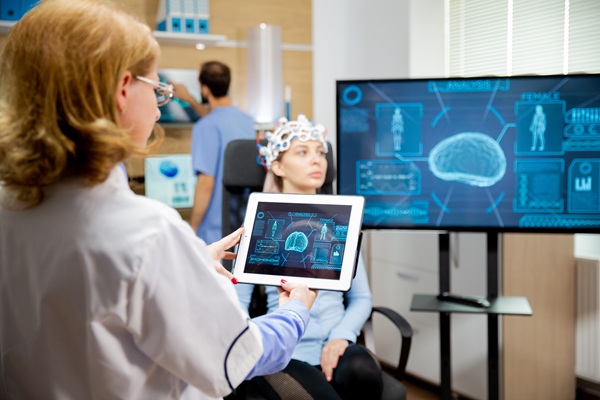
Transcranial magnetic stimulation, also known as TMS treatment, is an innovative and noninvasive therapy for several mental health conditions. By using magnetic fields to stimulate specific areas of the brain, TMS is an effective treatment for cases where traditional methods have provided little to no relief. It is important to know which mental disorders are best treated by this therapy to understand its growing importance in modern psychiatry.
Major depressive disorder (MDD)
One of the uses of TMS treatment is for major depressive disorder (MDD). This condition can lead to persistent feelings of hopelessness and sadness, a loss of interest, and difficulty functioning in day-to-day life. People who do not respond adequately to antidepressant medications — also known as treatment-resistant depression — may benefit from TMS treatment as a complementary part of their treatment plan.
By targeting the prefrontal cortex, which is the region of the brain associated with mood regulation, magnetic pulses help restore normal neural activity. TMS can reduce depressive symptoms and improve the patient's overall quality of life. Patients often experience symptom improvement after several sessions, without the side effects associated with medications.
Anxiety disorders
Anxiety disorders, including generalized anxiety disorder (GAD) and panic disorder, can severely disrupt a person's everyday function and quality of life. Similar to MDD, traditional treatments such as cognitive behavioral therapy and medication are effective for many people. However, some individuals continue to experience persistent symptoms. Fortunately, TMS can be combined with these traditional methods as a complementary option for managing anxiety symptoms.
Researchers believe that TMS can help rebalance hyperactivity in brain regions linked to fear and worry, such as the amygdala and anterior cingulate cortex. Regular sessions may reduce physiological symptoms of anxiety, including restlessness, tension, and intrusive thoughts. As understanding of brain nerves improves, TMS can help patients manage chronic anxiety conditions.
Obsessive-compulsive disorder (OCD)
Obsessive-compulsive disorder is characterized by intrusive thoughts and repetitive behaviors. For many individuals, conventional treatments, including medication and exposure therapy, may not produce sufficient relief. TMS treatment has been approved by the U.S. Food and Drug Administration (FDA) as a therapeutic and noninvasive option for treating OCD.
This therapy specifically targets the supplementary motor area and orbitofrontal cortex. These regions of the brain are believed to be involved in obsessive and compulsive behaviors. By influencing these neural pathways, TMS can help decrease the frequency and intensity of obsessions that lead to compulsions.
Post-traumatic stress disorder
Post-traumatic stress disorder (PTSD) is a mental health condition that occurs after experiencing a traumatic event, such as a car accident, assault, or combat exposure. Symptoms of PTSD can be severe and persistent, interfering with a person's daily functioning. When left untreated, PTSD can significantly impact a person's relationships, work performance, and overall well-being.
PTSD may be linked to imbalances in brain activity, particularly in the amygdala and hippocampus, which are involved in fear and memory. TMS targets these areas to regulate brain function. This noninvasive treatment method can reduce the intensity and prevalence of PTSD symptoms by restoring balanced neural activity and improving emotional regulation.
Learn more about TMS at Hope TMS and Neuropsychiatric Center
TMS treatment represents a breakthrough in psychiatric care, offering hope for individuals who have not responded to traditional treatment methods. As research progresses, TMS continues to redefine the possibilities for noninvasive mental health treatment and improved quality of life. Call our New York office to learn more about TMS or to schedule a consultation.
Request an appointment here: https://www.hopetmsofny.com or call Hope TMS and Neuropsychiatric Center at (646) 578-8152 for an appointment in our New York office.
Check out what others are saying about our services on Yelp: Read our Yelp reviews.
Related Posts
Depression does not always improve after the first treatment plan. Treatment Resistant Depression may become a concern when symptoms continue despite trying more than one antidepressant. Persistent low mood, loss of interest, fatigue, changes in sleep, or difficulty functioning may all persist. Recognizing this pattern can help patients and psychiatrists decide when a broader treatment…
Depression treatment often takes a different approach when helping individuals manage seasonal affective disorder (SAD), a form of depression that follows a predictable seasonal pattern. Symptoms often begin during the fall or winter when daylight hours become shorter and improve as the seasons change. Our psychiatrist can develop a personalized treatment plan that can help…
A lack of sleep is not only frustrating but also bad for your physical and mental health. Fortunately, Insomia can be treated and managed with the help of a psychiatrist. Learning more about insomnia and some tips on how to deal with it can put better sleep quality, memory, and well-being within reach.Insomnia includes persistent…
Transcranial magnetic stimulation (TMS) offers a noninvasive path to better mental health by using magnetic fields to stimulate vital nerve cells in the brain. A consultation with a TMS doctor provides a vital turning point for those who experience persistent depression that resists standard oral medications. This preliminary meeting serves as a comprehensive evaluation to determine…